Country guide
Buying property in Vietnam: Nha Trang, Da Nang and Ho Chi Minh City
Foreigners can own apartments — for 50 years, within quotas, in approved projects. Getting the ownership certificate is the step to watch.
Time-limited, quota-limited ownership
Under the 2023 Housing Law and 2024 Land Law, foreign individuals can own apartments and houses in approved commercial projects for 50 years, renewable, subject to a 30% cap per apartment building and limits per ward. Foreigners cannot own land.
Market overview
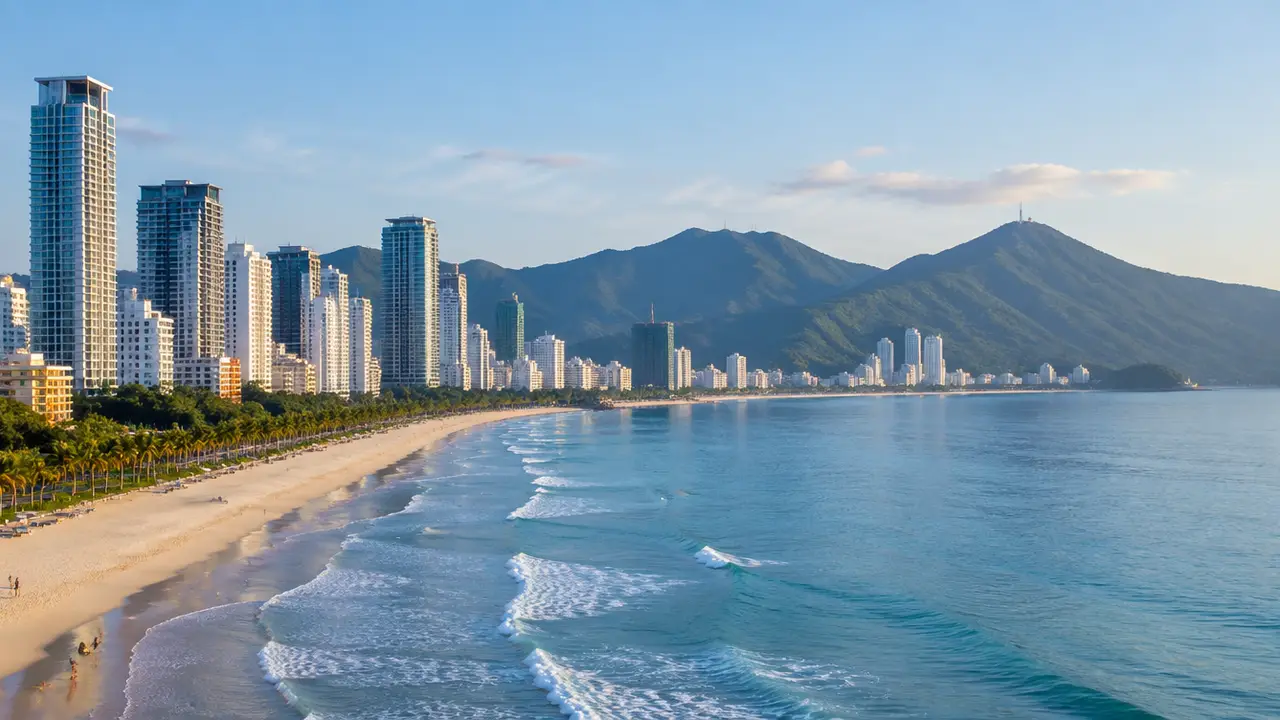
Foreign buying concentrates in Ho Chi Minh City and Hanoi, and in coastal Da Nang and Nha Trang. Tourism growth supports coastal demand, while big cities have deep rental markets among expats and professionals. The market went through a developer-credit squeeze in 2022–2023, delaying projects and titles.
Can foreigners buy — and what exactly?
- Foreign individuals with a valid entry into Vietnam can buy apartments and houses in commercial housing projects not in defence or security areas.
- Ownership lasts 50 years from certificate issuance, renewable.
- Foreigners may own up to 30% of units in an apartment building and limited numbers of houses per ward.
- Foreigner-to-foreigner resale is permitted; when a building’s quota is full, you can generally only sell within the foreign quota.
The buying process
Check the project
Confirm the project is approved for foreign ownership, the quota is available, and the developer has land-use rights and permits.
Sale and purchase agreement
Payments usually in stages for new projects, through a Vietnamese bank account.
Handover and Pink Book
After completion, the developer applies for the ownership certificate (Pink Book). This can take a long time — ask about past projects.
Taxes and costs
| Cost | Typical amount | Notes |
|---|---|---|
| Registration fee | 0.5% | On the registered value |
| VAT (new builds) | 10% | Usually included in developer prices |
| Maintenance fund (new builds) | 2% | Paid at purchase |
| Seller PIT | 2% of price | Seller cost on resale |
| Lawyer | Fixed fee |
Run your own numbers with the total cost calculator (select “Vietnam”).
Mortgages and payment plans
Some Vietnamese banks lend to foreigners with residence and local income; most foreign buyers use cash and developer payment schedules.
Renting out and yields
Rental income from individuals above a threshold is subject to VAT and personal income tax at flat rates, and landlords must register guests with local police. Many apartment buildings restrict short stays. Indicative gross yields are commonly around 4–5.5%.
Residency through property
Owning property does not grant a residence permit. Temporary residence cards are linked to work, investment in a business, or family.
Risks to know
- Pink Book delays for completed projects.
- Quotas limit who you can sell to.
- Currency and repatriation — keep records of inward transfers to send sale proceeds home.
- 50-year term affects long-term value and resale.
Where to buy: cities and areas
| Area | Type | Why buyers look here | Watch out for |
|---|---|---|---|
| Da Nang | Resort + living | Beaches, airport, growing expat base | Oversupply of condotels |
| Nha Trang | Resort | Tourism, sea views | Condotel legal status; seasonality |
| Ho Chi Minh City | Living | Economic hub, deep rental market | Title delays in some projects |
Area notes describe general characteristics, not investment recommendations.
Frequently asked questions
Can foreigners buy property in Vietnam?
What is a Pink Book in Vietnam?
Where to verify
Start with these official or primary sources, then confirm the details with a local lawyer: