Risks & legal safety
Problem jurisdictions and disputed titles
Low prices sometimes reflect a legal problem rather than a bargain. These are the situations where foreign buyers most often end up without a secure title.
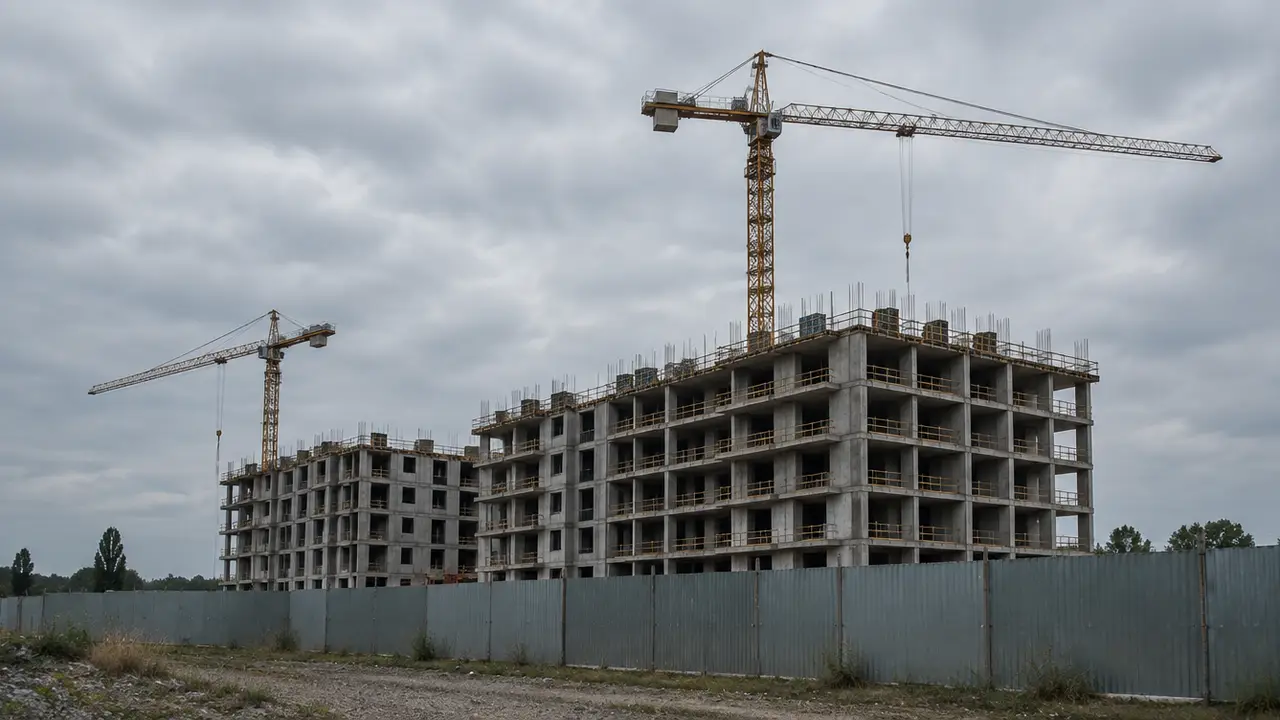
Northern Cyprus
The northern part of Cyprus has been under the control of the Turkish Cypriot administration since 1974 and is recognised as a state only by Turkey. Much of the land in the North belonged to Greek Cypriots displaced in 1974. Buyers of such property face:
- Potential claims by original owners, including cases in Republic of Cyprus and EU courts (the Apostolides v Orams litigation is the best-known example).
- Criminal risk: the Republic of Cyprus has pursued people involved in selling or developing Greek Cypriot–owned land, including arrests in 2024.
- Limited protection from EU law and difficulties with mortgages, insurance and resale.
The Republic of Cyprus (the internationally recognised government, controlling the South) is an EU member state with a conventional property system. Our Cyprus guide covers the South only.
Grey structures in Bali
Because foreigners cannot hold freehold in Indonesia, informal arrangements are widespread: land in a local nominee’s name, loan agreements secured on land, or companies with nominee shareholders. These are illegal or unenforceable. Legitimate routes exist (registered leasehold, Hak Pakai with a residence permit, a properly structured PT PMA), but the zoning, building permit (PBG) and business licensing must also be in order. See our Indonesia guide.
Waiting for title: Vietnam and Egypt
In both markets, buyers of completed apartments have sometimes waited years for their ownership certificate (the Pink Book in Vietnam; registered title in Egypt, where many buyers rely on contracts validated by court rather than full registration). Without the certificate, selling, mortgaging or proving ownership is harder. Ask how many units in the developer’s previous projects have received titles.
Unregistered and “legalising” buildings in the Balkans
In Montenegro, Serbia and parts of Bulgaria and Greece, some buildings or extensions were built without permits and are awaiting legalisation. They may be cheaper, but can be impossible to register, mortgage or insure — and demolition orders exist. Your lawyer should compare the cadastre, the permit and the physical building.
High inflation and capital controls
Turkey and Egypt have experienced sharp currency devaluations. Egypt has at times restricted foreign-currency availability, making it harder to repatriate money. Keep full records of your inward transfers and ask your lawyer about the process for sending sale proceeds home.
Contested land, heritage and coastal zones
In many countries, coastal strips, forests and archaeological zones are public or restricted land. Spain’s Coastal Law, Greek archaeological zones and forest land classifications in Greece and Turkey have all affected buyers. Check for these designations before buying near the sea or in rural areas.