Start here
Common mistakes and scams when buying property abroad
Most losses are not exotic frauds. They are ordinary mistakes: trusting the seller’s lawyer, believing a brochure yield, or paying into the wrong account.
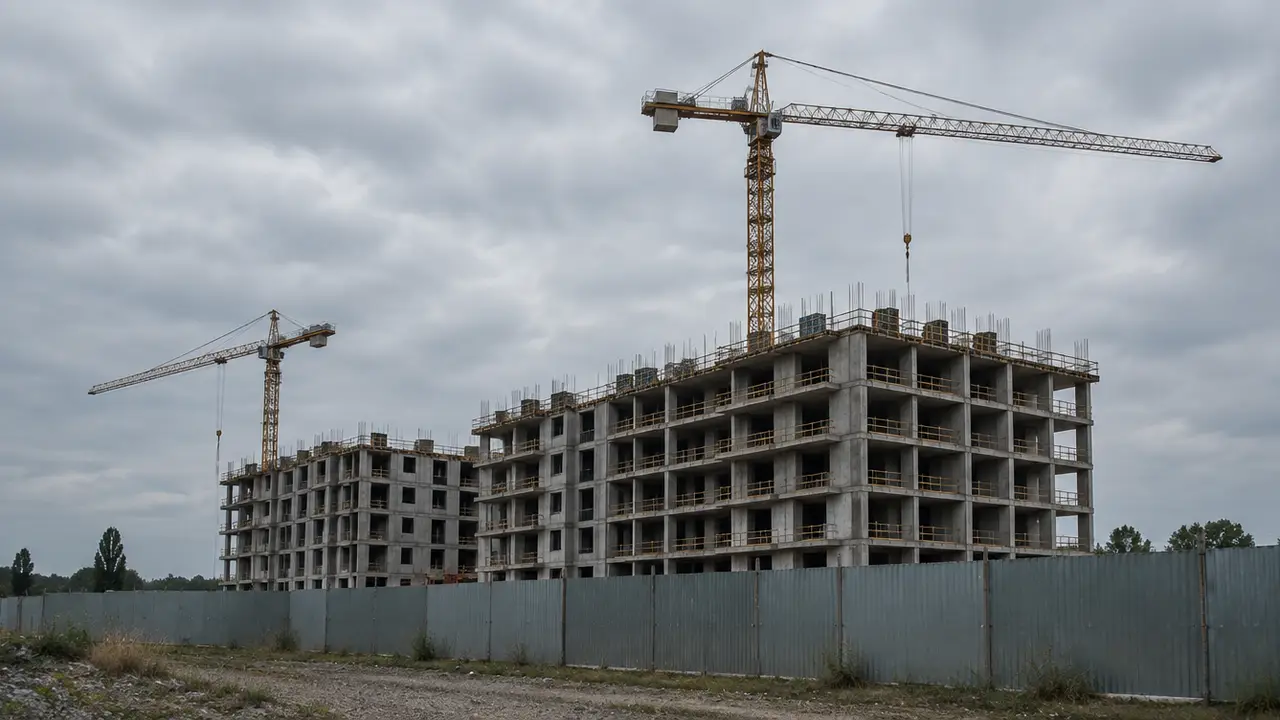
Costly beginner mistakes
- Using the developer’s or agent’s lawyer. Their loyalty is to the deal closing. Hire your own independent lawyer.
- Budgeting only the price. Taxes, fees, furniture and first-year costs typically add 5–15%, more in some markets. See the true cost of buying.
- Believing gross yields. A “9% return” often becomes 3–5% after costs, vacancy and tax.
- Assuming you can Airbnb it. Check the licensing situation for that exact address and building.
- Ignoring your home-country taxes. Many countries tax residents on worldwide rental income and gains; a double tax treaty may give credit but rarely makes it vanish.
- Ignoring currency risk. A 30% fall in the local currency can wipe out years of rent when converted home.
- Buying on the first trip. “Inspection tours” are sales events. Take time.
- No exit plan. Ask who will buy the property from you in ten years, and whether foreign quotas or leasehold terms will limit that market.
Common scams and red flags
Never do these
- Never pay a deposit to a personal account, a crypto wallet or a third party “on behalf of” the seller.
- Never act on changed bank details received by email or messenger without phoning a known number to confirm. Payment-redirection fraud targets property deposits.
- Never sign a document in a language you do not understand without a certified translation.
- Never hand over an unlimited power of attorney.
- Fake listings and fake owners. Scammers copy real listings and ask for a deposit to “secure” a viewing or reservation. Verify ownership through the land registry via your lawyer before paying anything.
- Selling the same unit twice. In markets without mandatory registration of off-plan contracts, a dishonest developer can sell one unit to several buyers. Register your contract where possible and use escrow.
- Unrealistic rental guarantees. “Guaranteed 8% for 10 years” is usually priced into the purchase price, and only lasts as long as the developer can pay. Ask who pays, from what revenue, and what happens if they stop.
- Nominee ownership. Buying land in Thailand or Bali in the name of a local “friend” or a shell company with local nominee shareholders is illegal in those countries and can leave you with no enforceable rights. See our Thailand and Indonesia guides.
- Properties without legal title. Examples include buildings without permits, homes awaiting “legalisation”, and — most seriously — properties in disputed jurisdictions such as Northern Cyprus, where title may be challenged by pre-1974 owners.
- Residency or citizenship “guaranteed”. Only the government decides. Be wary of any seller who promises a passport, or who says a programme is “closing soon, buy now”.
- Under-declared prices. A seller may suggest declaring a lower price to save tax. This is tax fraud in most countries, can invalidate residency applications that rely on the price, and increases your capital gains tax later.
Checklist before paying anything
- My own lawyer has confirmed the seller owns the property and has the right to sell
- I have a written list of all encumbrances and debts, and how they will be cleared
- Payment goes to a verified account in the name of the seller, developer escrow, or my lawyer’s client account
- The contract says when my deposit is refundable
- I understand every tax I will pay, now and every year
- I have confirmed the rental rules for this specific property
Frequently asked questions
How do I know if a property listing abroad is real?
Ask for the land registry reference and have your lawyer check ownership directly with the registry. Compare the listing photos using reverse image search, visit or send a representative, and never pay a deposit before ownership is verified.
Are rental guarantees from developers safe?
They are a contractual promise from the developer, not a guarantee from a bank or government. They are often priced into a higher purchase price. Check the developer's finances and what happens when the guarantee period ends.
What should I do if I think I have been scammed?
Contact your bank immediately to try to recall the payment, report to the police in both countries, and consult a local lawyer quickly. Speed matters for recovering funds.